
Introduction
Mobile applications have become essential for businesses looking to improve customer engagement, streamline operations, and accelerate digital growth. However, choosing the right development framework can be challenging, especially when organizations need to balance performance, development speed, scalability, and long-term costs. Flutter has emerged as one of the leading cross-platform frameworks by enabling businesses to build high-quality Android and iOS applications from a single codebase.
Whether you're launching a startup MVP, modernizing an enterprise application, or developing a customer-facing mobile solution, selecting the right technology can directly impact your time-to-market and return on investment. In this guide, you'll learn why businesses continue to choose Flutter in 2026, explore its key advantages, compare it with native development and React Native, and discover how BrillianTech helps organizations build scalable, future-ready mobile applications.
Key Takeaways
• Flutter is Google's open-source cross-platform framework that enables developers to build Android and iOS applications from a single codebase using the Dart programming language.
• Single-codebase development significantly reduces development time, maintenance effort, and overall project costs, making Flutter an attractive choice for businesses of every size.
• Flutter delivers near-native performance while providing highly customizable user interfaces that create consistent experiences across multiple platforms.
• Businesses choose Flutter in 2026 because it accelerates MVP launches, simplifies scaling, reduces maintenance costs, and improves ROI.
• Flutter is ideal for startups, enterprises, healthcare, fintech, eCommerce, education, SaaS, logistics, and internal business applications.
• Comparing Flutter with Native development and React Native helps organizations choose the framework that best aligns with their technical and business goals.
• Selecting an experienced Flutter development company is just as important as choosing Flutter itself.
What Is Flutter and How Does It Work?
Flutter is Google's open-source cross-platform framework that enables developers to build Android, iOS, web, desktop, and embedded applications from a single codebase using the Dart programming language. Instead of maintaining separate projects for different operating systems, development teams write one application that can run across multiple platforms while maintaining a consistent user experience.
According to Google's Flutter documentation, Flutter has evolved from a mobile-first framework into a complete application development ecosystem supporting multiple platforms through a unified architecture. This makes it an excellent choice for organizations looking to reduce development complexity while delivering premium digital experiences.
Flutter is Google's open-source cross-platform framework that enables developers to build Android and iOS applications from a single codebase using the Dart programming language.
Flutter has over 1 million monthly active developers across the globe, and powers nearly 30% of all new iOS apps. - Google Flutter, 2025
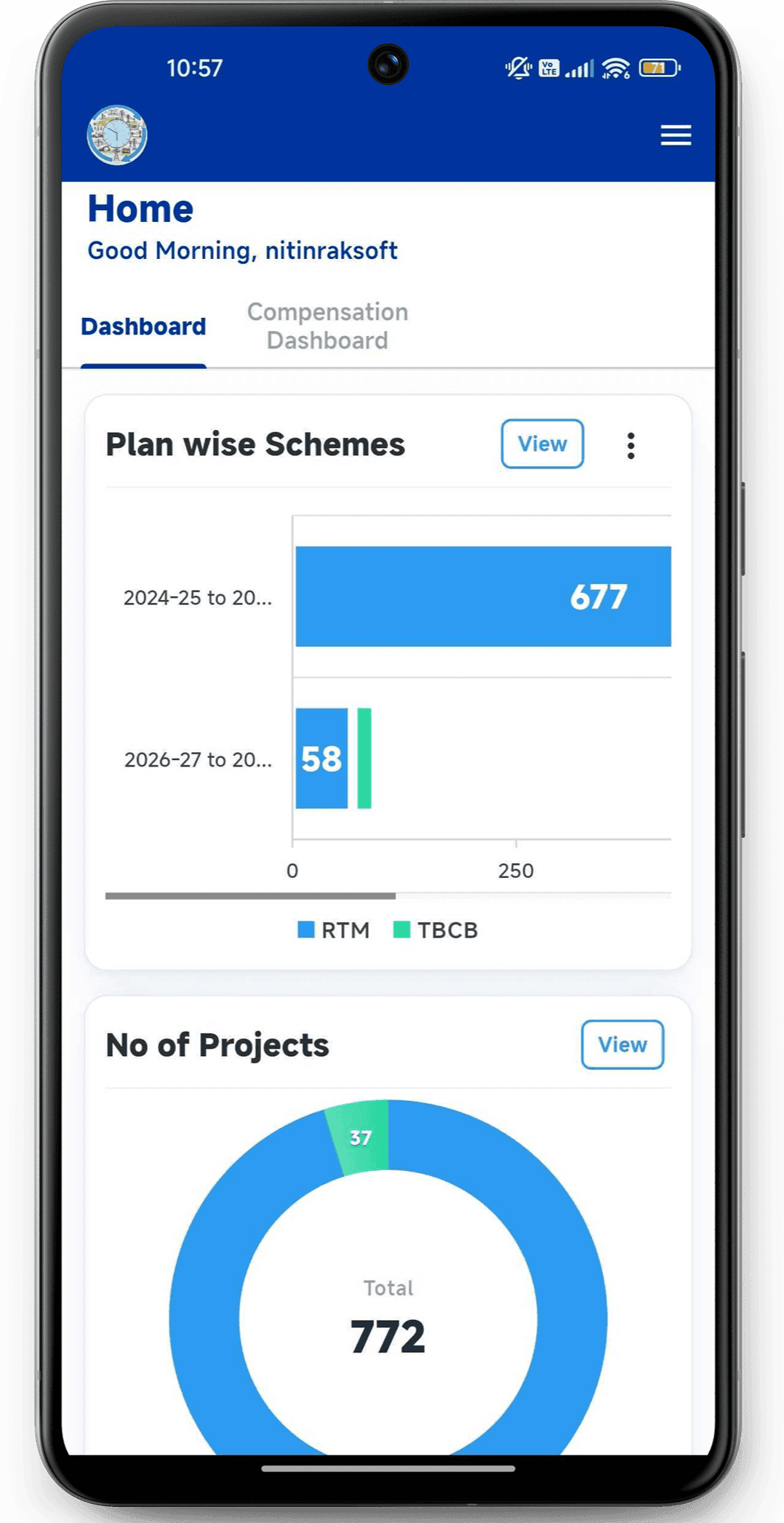
How Flutter Works
Unlike many cross-platform frameworks that rely heavily on native UI components, Flutter renders its own widgets using its high-performance graphics engine. This allows developers to maintain consistent interfaces regardless of operating system.
Flutter applications are built using:
• Dart Programming Language
• Flutter SDK
• Flutter Widgets
• Skia Rendering Engine
• Native Machine Code Compilation
Because Flutter compiles directly into native ARM machine code, applications achieve near-native performance without depending on JavaScript bridges.
For example, a food delivery startup launching simultaneously on Android and iOS can build both applications using one Flutter project instead of hiring separate Android and iOS teams.
This significantly reduces both development time and operational costs.
Flutter's Evolution to 2026
Since its first stable release in 2018, Flutter has matured considerably. Today it supports:
• Android
• iOS
• Web Applications
• Windows
• macOS
• Linux
• Embedded Devices
The framework has also become one of the preferred choices for AI-powered applications, enterprise software, IoT dashboards, and SaaS platforms because of its flexibility and strong integration capabilities.
Flutter consistently ranks among the most popular cross-platform frameworks worldwide. — Stack Overflow Developer Survey, 2025
Why Businesses Prefer a Single Codebase
A single codebase means developers write one application that works across multiple platforms instead of maintaining separate Android and iOS projects.
This approach creates measurable business advantages:
• Lower development costs
• Faster product launches
• Easier maintenance
• Reduced QA efforts
• Consistent user experience
• Faster feature releases
For example, instead of fixing the same bug twice—once for Android and once for iOS—a Flutter team resolves it once and deploys updates everywhere.
This dramatically simplifies long-term application maintenance.
Cross-platform app development reduces development time and maintenance costs by allowing one codebase to serve multiple operating systems.
If you're planning a business application, explore our Mobile App Development Services to learn how Flutter can help you build scalable, high-performance Android and iOS applications.
Why Is Flutter Still Popular for Mobile App Development in 2026?
Flutter remains one of the most popular mobile development frameworks in 2026 because it combines speed, performance, scalability, and cost efficiency into a single development ecosystem. Businesses increasingly prioritize faster product launches and higher ROI, making Flutter a strategic technology investment rather than just a programming framework.
The demand for digital transformation continues to accelerate across industries, and organizations need development platforms that reduce complexity without sacrificing quality.
Worldwide spending on digital transformation is expected to exceed $3.9 trillion by 2027. — IDC, 2025
Rising Demand for Cross-Platform Development
Cross-platform app development has become the preferred strategy for businesses aiming to maximize reach while minimizing costs.
Modern customers expect seamless experiences across Android phones, iPhones, tablets, desktops, and even web browsers.
Instead of funding multiple development teams, organizations increasingly choose Flutter to build applications that serve all these platforms simultaneously.
For example, Alibaba uses Flutter in parts of its Xianyu marketplace application to deliver a fast and consistent shopping experience for millions of users. Flutter's shared codebase enables quicker feature releases and easier maintenance while supporting high-traffic eCommerce operations.- Google Flutter Showcase
Brilliantech Insight: If you're planning a similar platform, explore our E-commerce Solutions to build scalable online marketplaces and retail applications.
Faster MVP Launches Create Competitive Advantage
Flutter enables businesses to launch Minimum Viable Products (MVPs) significantly faster than traditional native development.
Speed matters more than ever in competitive markets.
Whether you're validating a startup idea or launching a new enterprise solution, reaching users quickly allows companies to:
• Test product-market fit
• Collect customer feedback
• Iterate faster
• Reduce investment risks
• Enter markets before competitors
For example, many startups choose Flutter because it allows them to release an MVP in months rather than building two separate native applications. This faster time-to-market can improve fundraising opportunities, validate product-market fit earlier, and accelerate customer acquisition. If you're planning to launch an MVP or a full-scale mobile application, explore our Mobile App Development Services to build scalable Flutter applications faster and more efficiently.
Flutter Supports Modern AI-Powered Applications
Artificial intelligence is transforming mobile applications, and Flutter integrates seamlessly with modern AI services.
Businesses increasingly build applications featuring:
• AI chatbots
• Recommendation engines
• Voice assistants
• Predictive analytics
• Document recognition
• Personalized experiences
Flutter works exceptionally well with:
• Firebase
• Google Cloud
• REST APIs
• OpenAI APIs
• Gemini APIs
• Vertex AI
For example, Dutch health insurer CZ Zorgverzekeringen rebuilt its customer application using Flutter to provide secure digital access for more than 3.8 million customers. The Flutter-powered app enables users to securely manage insurance information, access policy documents, and interact with digital services through a fast, consistent mobile experience. The company selected Flutter for its strong security, faster development, excellent user experience, and long-term maintainability.
Brilliantech Insight: Explore AI Application Development Services to see how AI and Flutter work together for modern business solutions.
Strong Google Support Increases Long-Term Confidence
Google's continued investment makes Flutter one of the most future-ready frameworks available today.
Unlike smaller open-source projects with uncertain roadmaps, Flutter benefits from:
• Regular updates
• Security improvements
• Performance enhancements
• Extensive documentation
• Enterprise adoption
• Global developer community
This gives decision-makers greater confidence when selecting technology for products expected to remain active for many years.
According to Google's official Flutter documentation, Flutter supports mobile, web, desktop, and embedded platforms through a unified development framework.
Flutter Delivers Better Return on Investment
Return on investment improves when businesses spend less on development while reaching more customers.
Flutter reduces expenses across the software development lifecycle by minimizing duplicated work, simplifying testing, and accelerating updates.
Key ROI drivers include:
• Lower engineering costs
• Smaller development teams
• Reduced maintenance expenses
• Faster release cycles
• Improved code reusability
• Simplified quality assurance
Organizations adopting modern cross-platform development strategies report significant reductions in development and maintenance effort compared to maintaining separate native codebases. — Source: Deloitte Digital Insights, 2025
• Flutter transforms one codebase into multiple business opportunities.
• Faster development directly improves time-to-market and business agility.
• Single-codebase architecture reduces both technical debt and maintenance costs.
• Choosing the right framework impacts ROI more than many businesses realize.
• Technology decisions made today influence scalability for years to come.
Why Do Businesses Prefer Flutter Over Traditional Native Development?
Businesses prefer Flutter over traditional native development because it enables faster development, lower costs, easier maintenance, and near-native performance using a single codebase. While native development still has advantages for highly specialized applications, Flutter has become the preferred choice for organizations seeking speed, scalability, and long-term value.
Businesses today are under constant pressure to innovate without overspending. Flutter addresses this challenge by allowing teams to build feature-rich applications for multiple platforms simultaneously instead of maintaining separate Android and iOS projects.
Businesses choose Flutter because it delivers near-native performance while reducing development costs and accelerating time-to-market.
Faster Development with a Single Codebase
A single codebase allows developers to write one application that runs on Android and iOS, reducing duplicated work and accelerating development. Instead of maintaining two separate projects, development teams focus on one shared codebase, which simplifies planning, coding, testing, and deployment.
For example, imagine a startup building a food delivery app. With native development, the company would likely need separate Android and iOS developers. Using Flutter, one team can develop features once and deploy them across both platforms, reducing both development time and costs.
Benefits include:
• Faster feature development
• Reduced engineering effort
• Easier collaboration
• Consistent functionality across platforms
• Lower maintenance costs
Hot Reload Improves Developer Productivity
Flutter's Hot Reload feature allows developers to see code changes instantly without restarting the application. This dramatically shortens development cycles by enabling faster debugging, UI experimentation, and feature implementation.
For example, if a designer requests a color change or a layout adjustment, developers can preview the update in seconds instead of rebuilding the application. This iterative workflow improves productivity and helps businesses launch products more quickly.
Flutter's Hot Reload feature allows developers to view code changes instantly, significantly improving development speed and productivity.
Native-Like Performance Without Separate Codebases
Flutter compiles directly into native machine code, delivering smooth performance and responsive user experiences. Unlike some cross-platform frameworks that rely heavily on JavaScript bridges, Flutter minimizes performance bottlenecks by rendering its own widgets.
This results in:
• Smooth scrolling
• Faster animations
• Responsive interfaces
• Improved app stability
• Better user satisfaction
For example, Google Pay uses Flutter in selected markets to deliver a smooth, high-performance payment experience. Flutter enables responsive user interfaces, fast interactions, and consistent performance while handling secure financial transactions at scale. -Flutter Showcase – Google Pay
Highly Customizable User Interfaces
Flutter provides a rich library of customizable widgets that enable businesses to create visually appealing, brand-consistent applications. Because Flutter controls its own rendering engine, developers can design interfaces without worrying about differences between Android and iOS UI components.
For example, BMW uses Flutter in parts of its My BMW application to deliver a premium, brand-consistent experience across Android and iOS. Flutter enables BMW to maintain consistent typography, colors, animations, and user interactions while providing the polished interface expected from a global automotive brand. -Flutter Showcase – BMW Group
Strong Community and Google Support
Flutter benefits from Google's continuous investment and a rapidly growing global developer community. Regular framework updates, extensive documentation, and thousands of open-source packages make Flutter an attractive long-term technology choice.
Businesses benefit from:
• Long-term framework stability
• Frequent security updates
• Extensive learning resources
• Large hiring pool
• Active developer ecosystem
Statistic: Flutter consistently ranks among the most loved and widely adopted cross-platform frameworks in developer surveys. — Stack Overflow Developer Survey, 2025
What Are the Biggest Benefits of Flutter for Startups and Enterprises?
Flutter provides measurable business benefits by reducing costs, improving development speed, simplifying maintenance, and supporting scalable application growth. These advantages make Flutter equally valuable for startups launching their first MVP and enterprises modernizing legacy systems.
Let's explore the key business benefits.
1. Reduced Time-to-Market
Flutter shortens development timelines by enabling one team to build applications for multiple platforms simultaneously. Faster launches help businesses validate ideas, collect customer feedback, and respond to market changes before competitors.
For example, a startup can launch its MVP months earlier using Flutter than by developing separate native applications.
2. Better Return on Investment (ROI)
Flutter improves ROI by reducing both initial development costs and long-term maintenance expenses. Businesses spend less on engineering resources while reaching users across Android and iOS from a single codebase.
Key ROI contributors include:
• Lower hiring costs
• Reduced infrastructure complexity
• Shared development resources
• Simplified maintenance
• Faster feature delivery
3. Easier Maintenance
Maintaining one application is significantly easier than managing two separate native projects. Bug fixes, security updates, and feature enhancements are implemented once and deployed across supported platforms.
This reduces technical debt and allows engineering teams to focus on innovation instead of repetitive maintenance tasks.
Learn how efficient testing supports maintenance through Quality Assurance Testing Services.
4. Lower Quality Assurance Costs
Testing a single Flutter application requires less effort than testing multiple native applications independently. QA teams can reuse test cases across platforms, reducing testing time and improving release confidence.
Benefits include:
• Fewer regression issues
• Consistent functionality
• Simplified automation
• Faster release cycles
5. Simplified Team Management
Flutter enables businesses to operate with smaller, more efficient development teams. Instead of coordinating separate Android and iOS departments, organizations often manage one cross-functional Flutter team.
This simplifies:
• Project planning
• Resource allocation
• Communication
• Sprint management
• Budget forecasting
6. Scalability for Future Growth
Flutter supports scalable application architectures suitable for startups, SMBs, and enterprises. As user demand grows, businesses can integrate advanced capabilities such as AI, cloud services, analytics, and IoT without rebuilding the application from scratch.
Flutter is particularly well-suited for startups and enterprises that need scalable, high-performance applications with consistent user experiences across platforms.
How Does Flutter Reduce Mobile App Development Costs?
Flutter reduces mobile app development costs by minimizing duplicated work across development, testing, deployment, and maintenance. Instead of investing in separate Android and iOS applications, businesses share one development process.
Flutter helps reduce costs through:
• One shared codebase
• Smaller engineering teams
• Faster development cycles
• Reduced QA effort
• Lower maintenance costs
• Simplified updates
For example, a healthcare startup developing patient management software can allocate more budget toward product innovation instead of maintaining multiple applications.
Cross-platform development strategies can significantly reduce development effort compared to maintaining separate native projects. — Deloitte Technology Trends, 2025
How Does Flutter Speed Up Time-to-Market?
Flutter accelerates time-to-market by streamlining development, testing, and deployment through a unified workflow. Faster releases allow businesses to respond quickly to customer feedback and changing market conditions.
Flutter speeds up launches by:
1. Building Android and iOS simultaneously
2. Using Hot Reload for rapid iteration
3. Reusing UI components
4. Simplifying testing
5. Accelerating feature deployment
For example, SaaS companies frequently use Flutter to launch customer-facing applications while continuing to iterate based on real user behavior.
If you're looking to launch your application faster, explore our Mobile App Development Services to build high-performance Flutter applications that reduce development time while maintaining exceptional quality.
What Types of Businesses Benefit Most from Flutter?
Flutter is suitable for organizations that need scalable, high-performance applications across multiple platforms while controlling development costs. Its flexibility makes it valuable across industries.
Startups
Flutter enables startups to validate ideas quickly with affordable MVP development. Faster launches improve investor confidence and customer feedback cycles.
Healthcare
Healthcare organizations use Flutter to build:
• Telemedicine apps
• Appointment scheduling systems
• Patient portals
• Health monitoring applications
These applications benefit from consistent performance across Android and iOS devices.
FinTech
Banks, digital wallets, and investment platforms require secure, responsive interfaces. Flutter supports real-time dashboards, biometric authentication, and smooth user experiences.
E-commerce
Retail businesses use Flutter for:
• Shopping applications
• Product catalogs
• Order tracking
• Loyalty programs
• Mobile payments
Education
Educational institutions develop:
• Learning management systems
• Online course platforms
• Student portals
• Examination applications
Flutter's responsive UI ensures consistent experiences across devices.
Logistics
Fleet management, warehouse tracking, inventory systems, and delivery management applications benefit from Flutter's real-time capabilities and cross-platform consistency.
SaaS Applications
Software-as-a-Service providers increasingly adopt Flutter for customer dashboards, subscription management, and mobile productivity applications.
Enterprise Software
Large enterprises use Flutter for:
• Internal employee portals
• HR management
• CRM systems
• Business analytics dashboards
• Executive reporting tools
Learn more through Enterprise Software Development
Which Popular Apps Are Built Using Flutter?
Many globally recognized organizations have adopted Flutter for production applications, demonstrating its maturity and scalability.
Notable examples include:
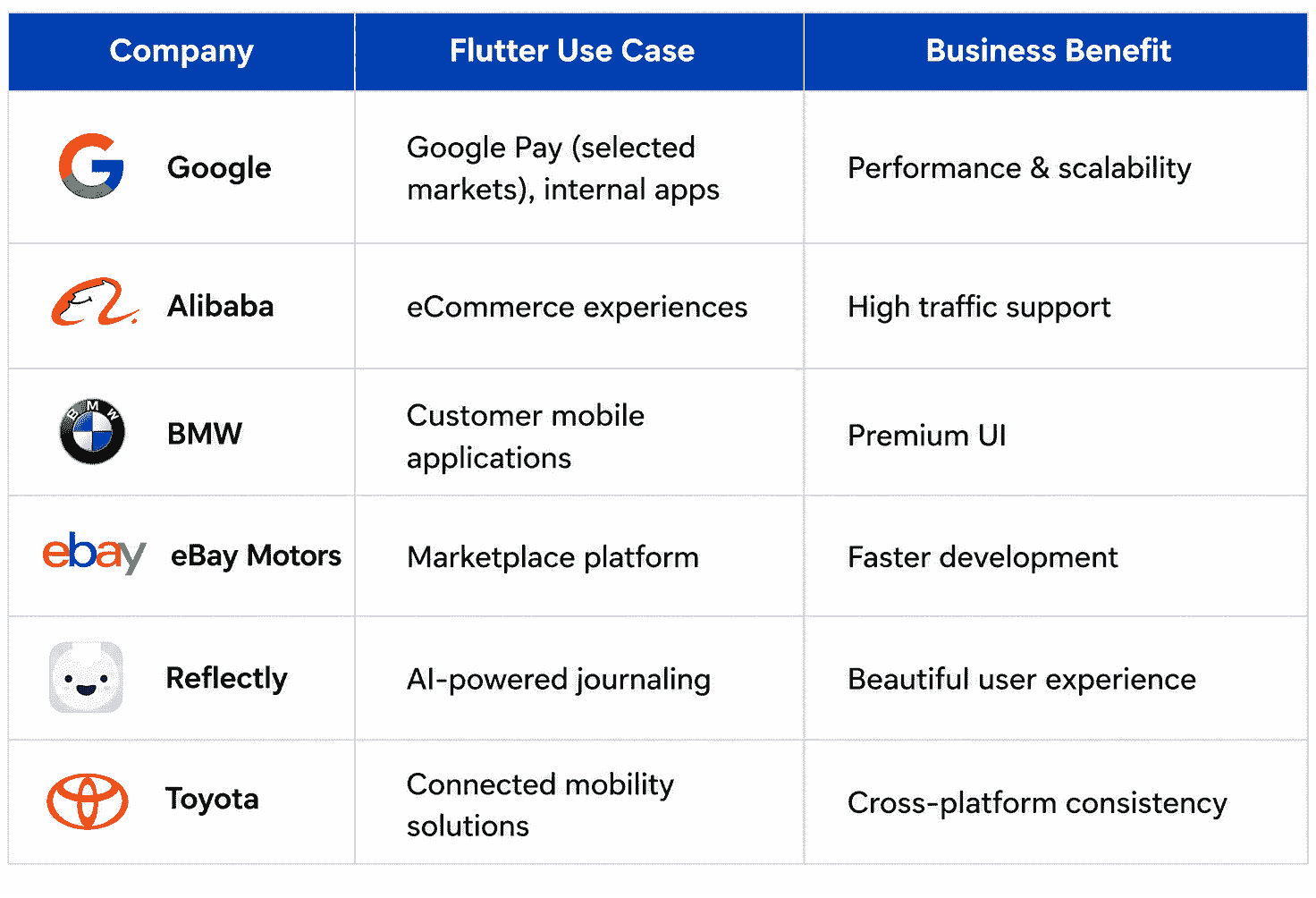
• One codebase simplifies development, testing, and long-term maintenance.
• Faster MVP launches create stronger competitive advantages.
• Consistent user experiences strengthen customer trust across platforms.
• Choosing Flutter is a strategic business decision, not just a technical one.
Is Flutter Better Than Native Development?
Flutter and native development each have strengths, but Flutter is the better choice for most business applications that require faster development, lower costs, and cross-platform compatibility. Native development remains the preferred option for applications requiring deep hardware integration, graphics-intensive gaming, or platform-specific features.
Choosing between the two depends on your project goals, budget, timeline, and long-term maintenance strategy.
Flutter vs Native Development Comparison
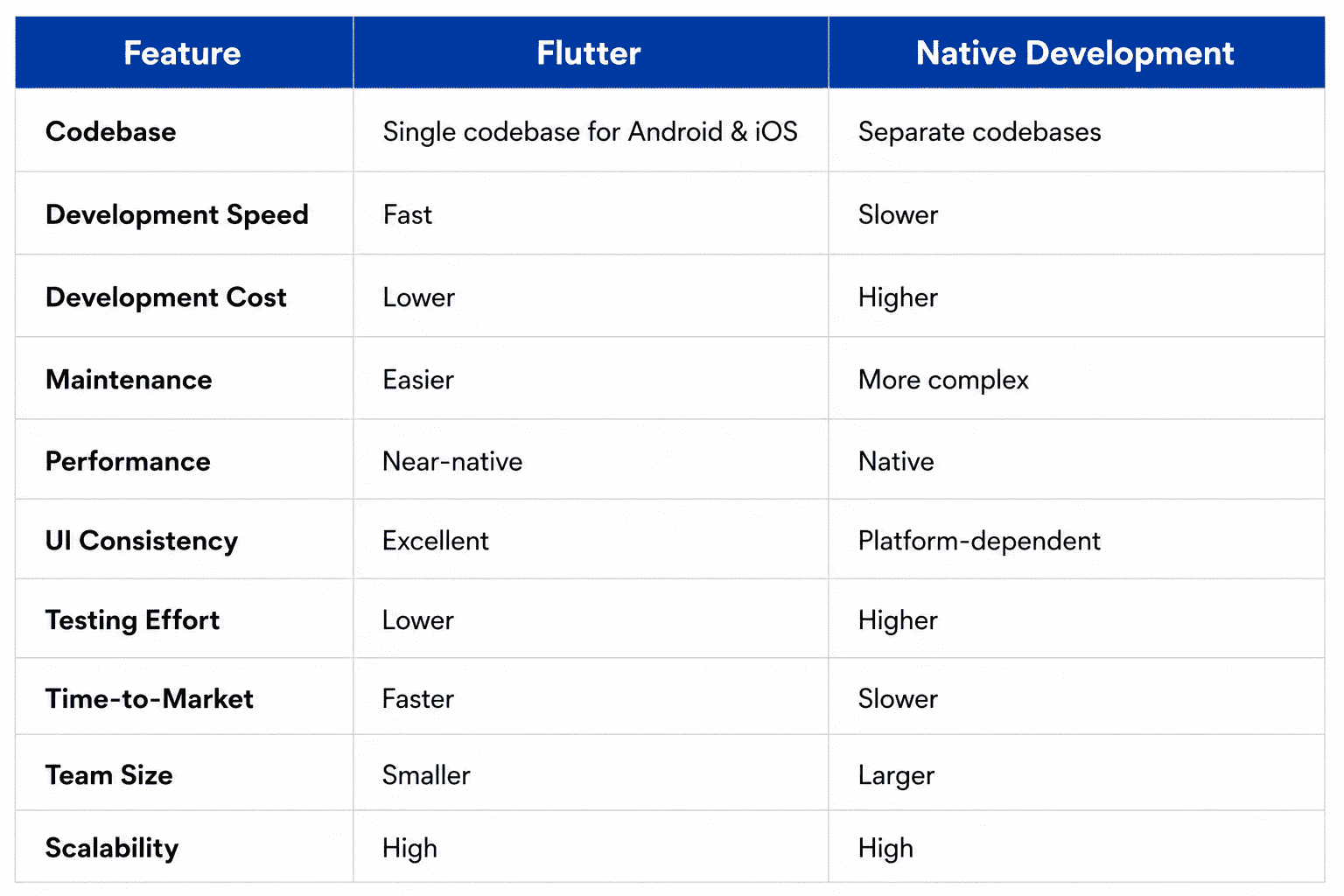
• Launch on Android and iOS simultaneously.
• Reduce development and maintenance costs.
• Build an MVP quickly.
• Maintain a consistent brand experience.
• Scale efficiently with a smaller development team.
When Should You Choose Native Development?
Native development is better suited for:
• High-end 3D games.
• AR/VR applications requiring platform-specific APIs.
• Apps with intensive hardware integrations.
• Applications where absolute maximum performance is essential.
Using a single Flutter codebase simplifies testing, updates, and long-term application maintenance compared to maintaining separate native Android and iOS projects.
Is Flutter Better Than React Native for Business Applications?
Flutter generally offers greater UI flexibility and more consistent performance, while React Native is often preferred by teams with strong JavaScript expertise. Both frameworks are mature, but Flutter's architecture provides businesses with greater control over application design and user experience.
Flutter vs React Native
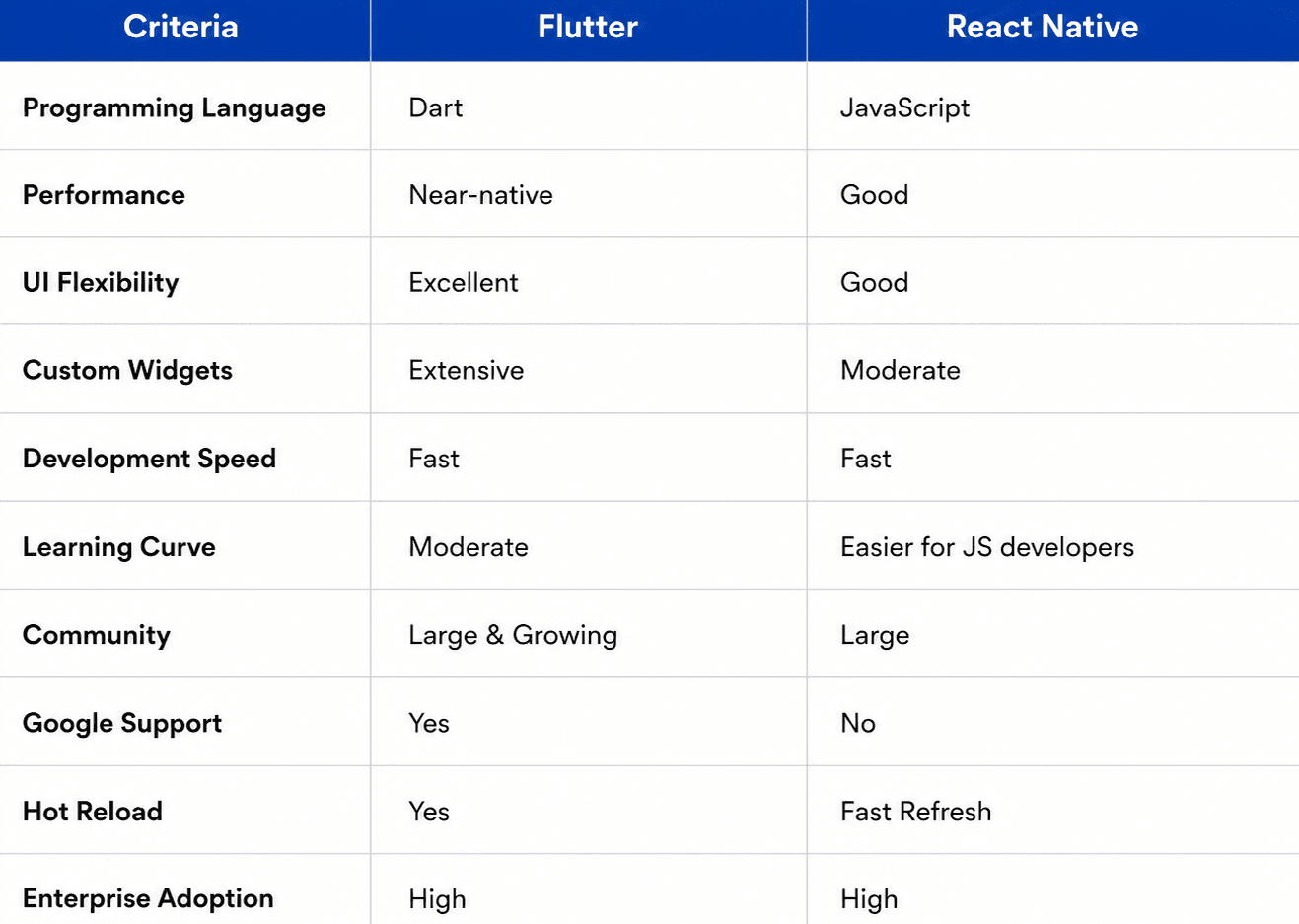
Flutter provides several advantages for commercial applications:
• Pixel-perfect UI across platforms.
• Better rendering performance.
• Strong Google ecosystem integration.
• Reduced dependency on native UI components.
• Easier maintenance with a unified rendering engine.
When React Native Makes Sense
React Native remains an excellent option when:
• Your team already has extensive React.js expertise.
• Existing JavaScript libraries are essential.
• You need to integrate with an existing React ecosystem.
Ultimately, the right framework depends on your organization's skills, project requirements, and long-term goals.
What Are the Limitations of Flutter in 2026?
Flutter is a powerful framework, but it is not the perfect solution for every project. Understanding its limitations helps businesses make informed technology decisions.
1. Larger Application Size
Flutter applications are often larger than native applications because they include the Flutter engine and supporting libraries.
For example, lightweight utility applications may benefit from native development if minimizing download size is a priority.
2. Dart Learning Curve
Flutter uses the Dart programming language, which may be unfamiliar to developers experienced only in JavaScript, Kotlin, or Swift.
However, many teams become productive quickly due to Dart's simple syntax and excellent documentation.
3. Platform-Specific Integrations
Although Flutter supports most device capabilities, some advanced hardware integrations may still require writing native platform code.
Examples include:
• Specialized Bluetooth hardware
• Custom payment terminals
• Certain IoT devices
• Proprietary SDKs
4. Third-Party Package Availability
Flutter's package ecosystem continues to grow rapidly, but highly specialized enterprise packages may occasionally lag behind native SDKs.
Fortunately, Flutter allows developers to bridge native code whenever necessary.
What Is the Average Cost of Flutter App Development?
Flutter app development costs vary depending on application complexity, features, integrations, and development location. Because Flutter uses a single codebase, businesses typically save 20–40% compared with building separate native Android and iOS applications.
Estimated Development Costs
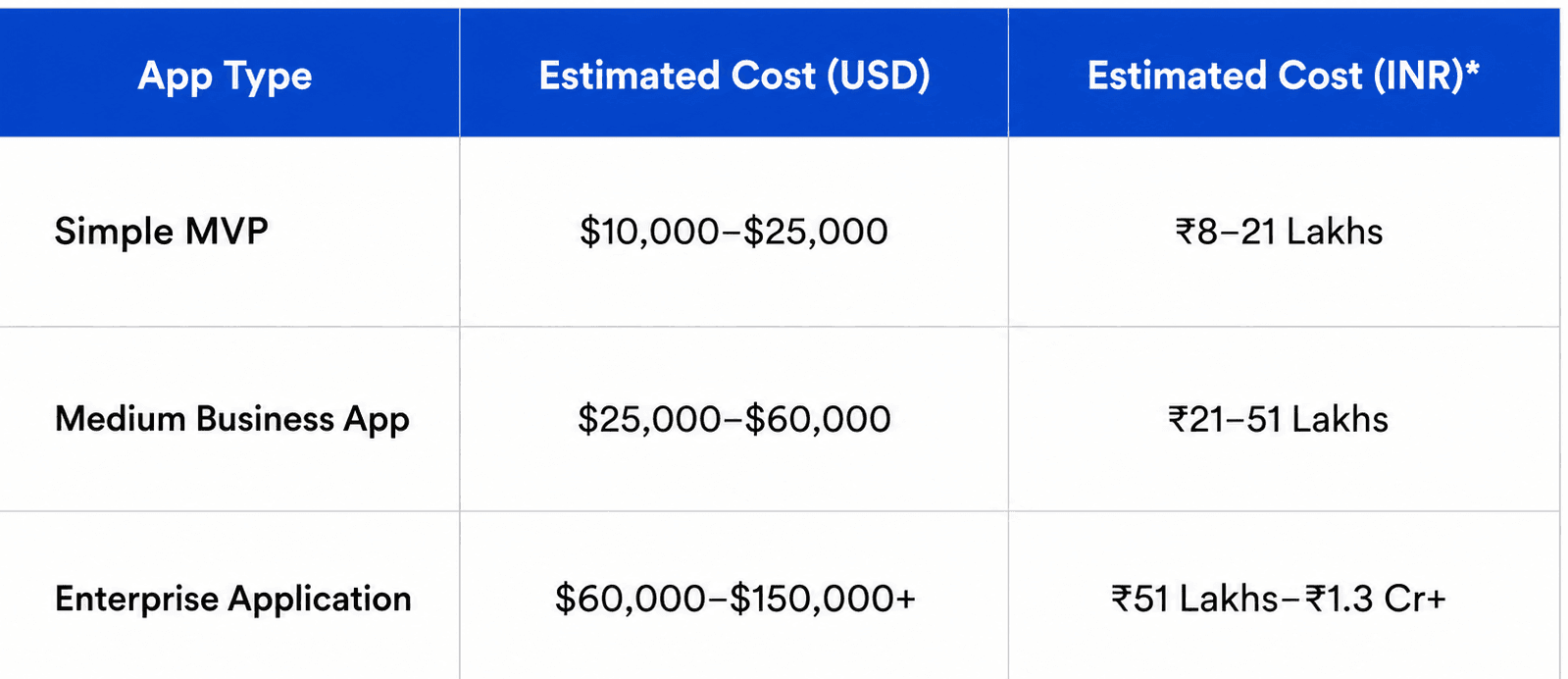
Note: Cost ranges are industry estimates compiled from reports by Clutch, GoodFirms, DesignRush, and leading Flutter development agencies. Actual project costs vary based on business requirements and technical complexity.
Factors Affecting Cost
• Number of app screens
• UI/UX complexity
• Backend infrastructure
• AI integrations
• Payment gateways
• Third-party APIs
• Security requirements
• Testing requirements
• Ongoing maintenance
If you're evaluating project requirements, explore Custom Mobile App Development Services
Which Tools Make Flutter Development More Efficient?
Flutter development becomes more productive when supported by modern tools for coding, testing, deployment, analytics, and cloud services.
Essential Flutter Development Tools
Tool Purpose
Flutter DevTools Debugging & performance analysis
Android Studio Full-featured IDE
VS Code Lightweight development
Firebase Authentication, database, notifications
Codemagic CI/CD automation
GitHub Actions Automated builds & testing
Google Cloud Backend infrastructure
How Can You Choose the Right Flutter Development Company?
Choosing the right Flutter development company is just as important as selecting Flutter itself because experienced teams directly influence project quality, scalability, and long-term success.
Before hiring a development partner, ask the following questions:
Technical Expertise
• Have they delivered Flutter projects at scale?
• Do they have experienced Flutter developers?
• Can they build both MVPs and enterprise applications?
Business Understanding
A strong partner should understand:
• Your industry
• Business objectives
• User expectations
• Growth plans
Development Process
Look for companies that follow structured processes including:
• Discovery workshops
• Agile development
• UI/UX design
• Quality assurance
• Security testing
• Ongoing maintenance
Long-Term Support
Your development partner should also provide:
• Performance optimization
• Feature enhancements
• Security updates
• Technical consulting
• Staff augmentation if needed
Explore our Staff Augmentation Services to scale your development team efficiently.
Learn more about working with a Flutter App Development Company
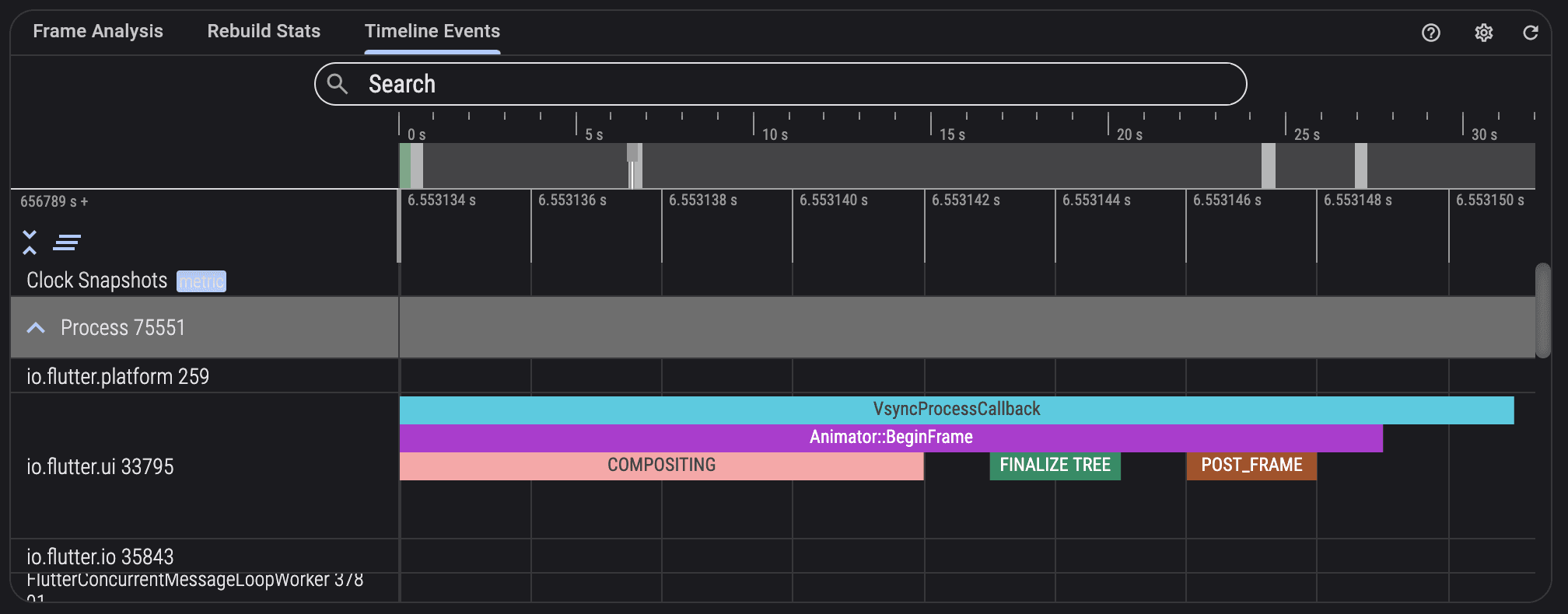
Flutter DevTools provides performance analysis, widget inspection, memory profiling, and debugging capabilities that help developers optimize Flutter applications.
Is Flutter Future-Proof for Long-Term Mobile App Development?
Flutter is widely considered future-proof because of Google's continued investment, expanding ecosystem, and support for multiple platforms from a unified codebase.
Several trends reinforce Flutter's long-term relevance:
• Growing adoption by startups and enterprises
• Strong community contributions
• Continuous performance improvements
• AI and cloud integration
• Desktop and web support
• Increasing demand for cross-platform solutions
As businesses continue to prioritize faster product delivery and digital transformation, Flutter is well-positioned to remain one of the leading frameworks for modern application development.
Conclusion
Flutter has evolved from a promising cross-platform framework into a mature business technology that helps organizations build high-quality applications faster, more efficiently, and at lower cost. Its single-codebase architecture, near-native performance, customizable UI, and growing ecosystem make it an excellent choice for startups, SMEs, and enterprises alike.
Whether you're launching a new MVP, modernizing an existing product, or developing a large-scale enterprise application, Flutter provides the flexibility and scalability needed to stay competitive in today's digital landscape.
However, technology alone doesn't guarantee success. Choosing an experienced development partner, following a structured development process, and aligning your technical decisions with your business objectives are equally important.
If you're planning your next mobile application, explore our Mobile App Development Services for end-to-end app development or our Custom Software Development Services to build tailored digital solutions that support your long-term business growth.